Rest days get treated as an afterthought a lot of the time, either a full day on the couch or, for the other type of person, a nagging guilt that they should be doing something. Neither extreme is quite right. A true rest day now and then is genuinely useful, but most of the days you're calling "rest" are actually better spent doing something light, which is what active recovery actually means.
The idea behind active recovery is simple: gentle movement increases blood flow to tired muscles without adding meaningful training stress on top of what you've already done that week. A 20-30 minute walk does this better than most people give it credit for, and it's genuinely one of the most underused recovery tools going, mostly because it doesn't feel like it's "doing enough" compared to another session in the gym.
Light cardio in general fits the same bracket, an easy bike ride, a slow swim, or a walk with the dog all count. The line to watch for is effort level, if you're breathing hard or your heart rate's climbing toward what you'd hit in an actual session, it's stopped being active recovery and started being another training day, which somewhat defeats the point of taking it easier.
Mobility work and stretching are worth building into a rest day too, particularly for anyone who trains four or five days a week and rarely has a spare ten minutes to actually work on hip or shoulder mobility outside of a rushed warm-up. It doesn't need to be complicated, a slow 15-minute session working through the areas that feel tightest is enough to matter over a few months of consistency.
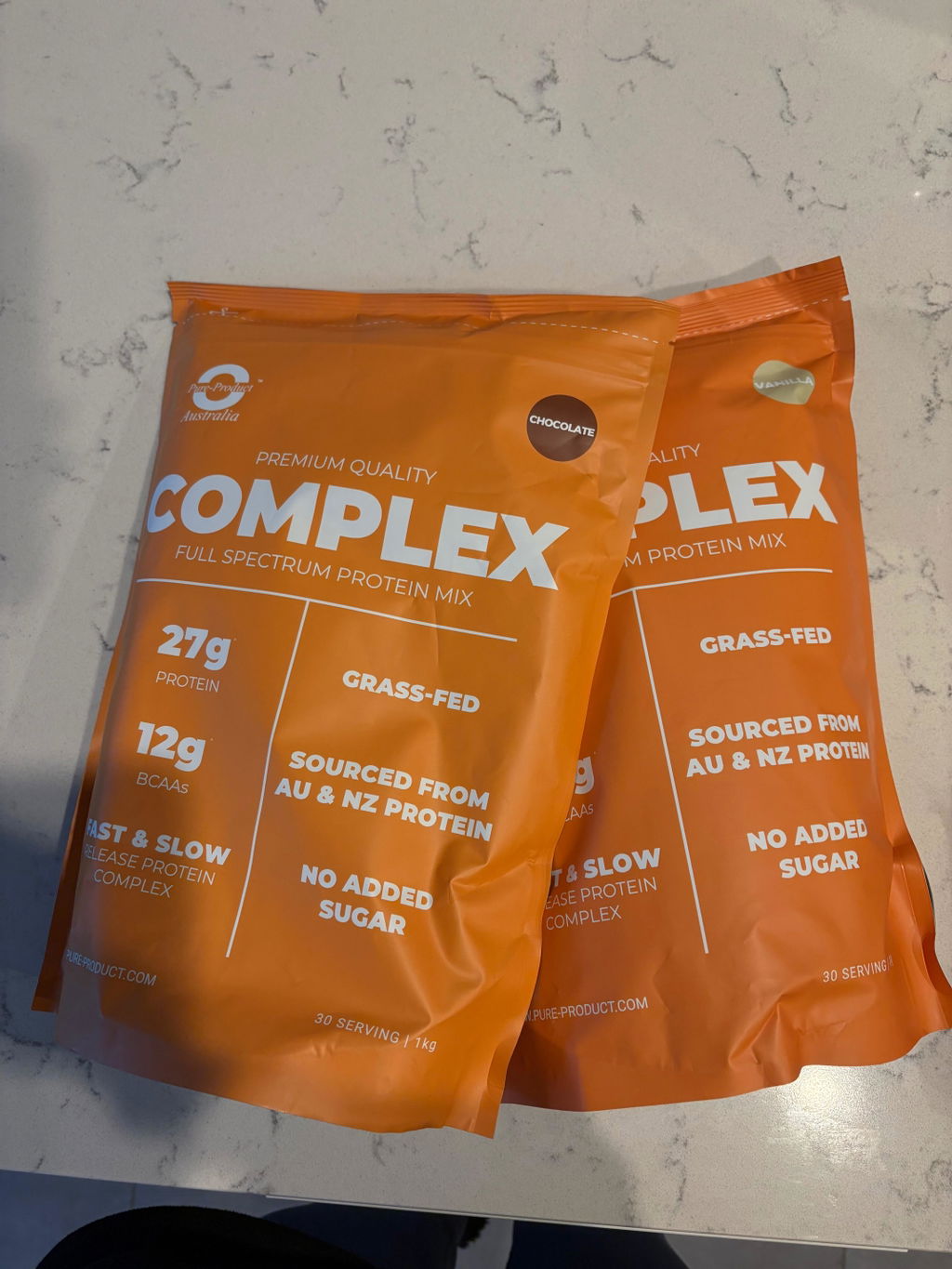
On the nutrition side, this is not the day to cut calories or protein just because you're not training. Muscle repair happens between sessions, not during them, so a rest day is actually one of the more important days to hit your protein target, whether that comes from meals, a whey shake, or both. If you're supplementing with creatine, keep taking it exactly as normal, it doesn't need to be timed around training and works the same whether or not you're in the gym that day.
Sleep matters more on a rest day than people assume too, since it's the main window your body actually uses to repair and adapt from the training you've already done. If you're consistently short on sleep, that's a bigger limiter on recovery than anything you'd add through supplements or stretching.
The bigger picture here is that a rest day isn't a day off from your body doing work, it's a day where the work shifts from training stress to actual repair. Treat it that way, with light movement, proper food and enough sleep, and the sessions either side of it tend to go noticeably better than if you'd spent the day doing nothing or, at the other extreme, sneaking in another hard workout out of guilt.