This is one of those topics where the honest answer is "it depends on you, so talk to your doctor first," and we'd rather say that plainly upfront than dress it up. Pregnancy and breastfeeding change how your body handles pretty much everything, including supplements that are perfectly fine outside of that window, so nothing below is a substitute for a proper conversation with your GP, obstetrician or a dietitian who knows your specific situation.
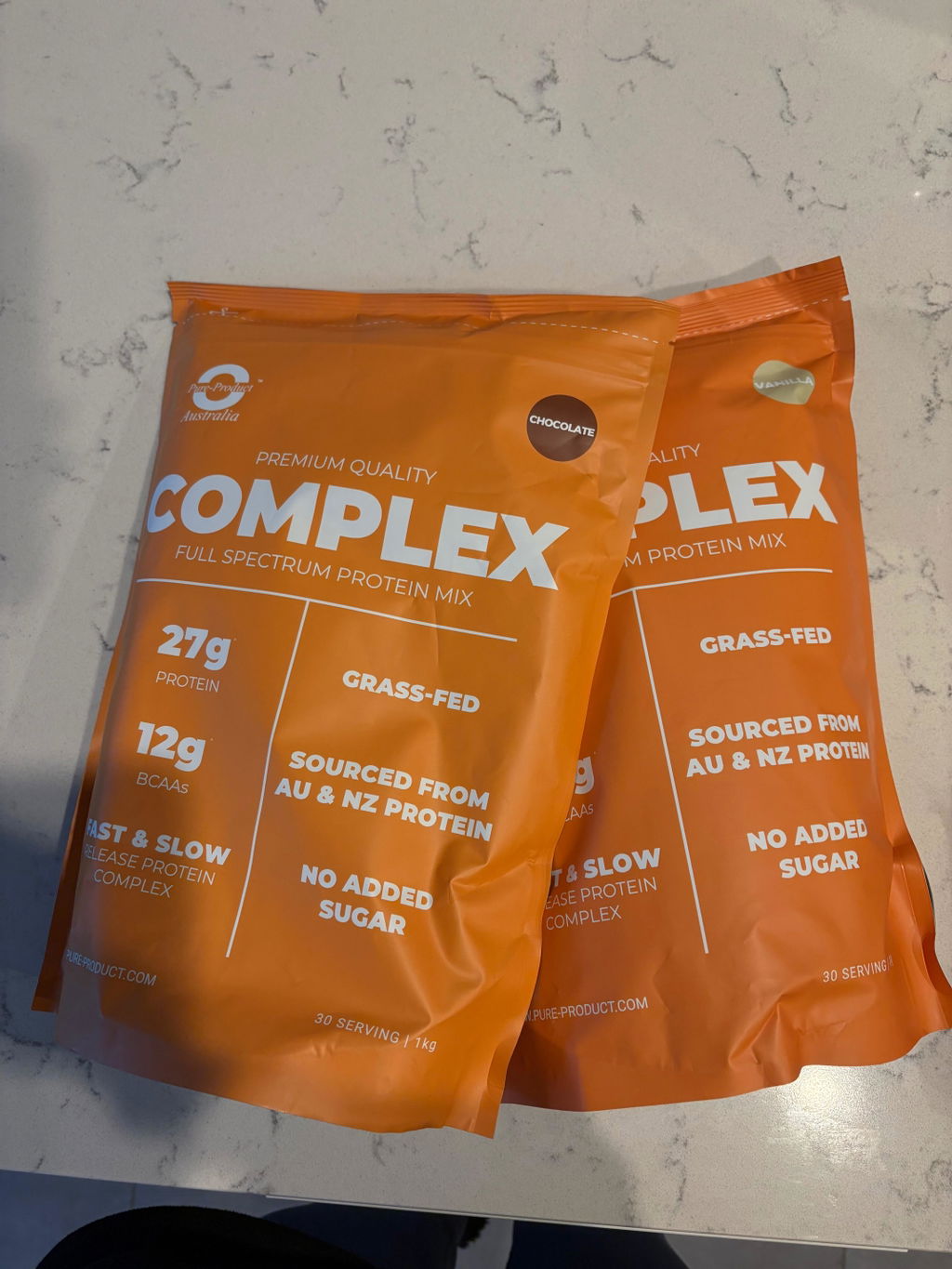
Protein itself isn't the issue. Pregnancy increases protein needs, particularly in the second and third trimesters, and breastfeeding keeps that demand elevated afterwards. A whey protein shake is food, essentially, just food in powder form, and for a lot of women it's an easier way to hit a higher protein target when nausea, food aversions or simply not having time to cook are getting in the way of eating enough. If your doctor's happy with dairy in your diet generally, there's usually no separate issue with a whey shake specifically, though it's worth checking in with them about your individual protein target rather than assuming a standard adult recommendation still applies.
Creatine is where things get murkier, and we'd rather be upfront about that than pretend there's a clear green light. There isn't enough research on creatine supplementation specifically during pregnancy and breastfeeding to call it definitively safe, which isn't the same as saying it's unsafe, it genuinely means the studies haven't been done at the scale needed to say either way with confidence. Some emerging research looks at creatine's role in supporting maternal and foetal energy metabolism, but it's early, and it's not something to start or continue based on a blog post, this one included. If you were taking creatine before pregnancy, that's a conversation to have with your doctor rather than a decision to make solo.
Pre-workout is a clearer no, at least for the caffeine and stimulant side of it. Caffeine crosses the placenta and passes into breast milk, and most guidance points to keeping total caffeine intake low during both pregnancy and breastfeeding, factoring in coffee, tea and everything else, not just a supplement. Our pre-workout powder and RTD can both carry a meaningful caffeine dose per serve, so this isn't the window to be adding one on top of what you're already having through food and drink. If you want to keep training with some support, that's worth raising with your doctor specifically, rather than reaching for what worked before.
Electrolytes are one area where supplementing can genuinely help, particularly later in pregnancy or through breastfeeding when fluid needs go up and it's easy to under-drink without noticing. Our Electrolyte Powder is sugar-free and doesn't carry caffeine or anything that overlaps with the concerns above, but as with everything here, it's worth a quick check with your doctor if you're unsure, especially if you're managing any pregnancy-specific conditions like gestational diabetes or blood pressure changes where electrolyte balance needs closer attention.
The wider point is that pregnancy and breastfeeding aren't the time to guess. What was a routine supplement stack beforehand might need adjusting, pausing or swapping out entirely, and that's normal, not a sign you were doing anything wrong before. If you're unsure about any product in our range and where it fits during this stage, our support team can point you to the ingredient panel and ask which of your health questions is your doctor best placed to help you sort through.