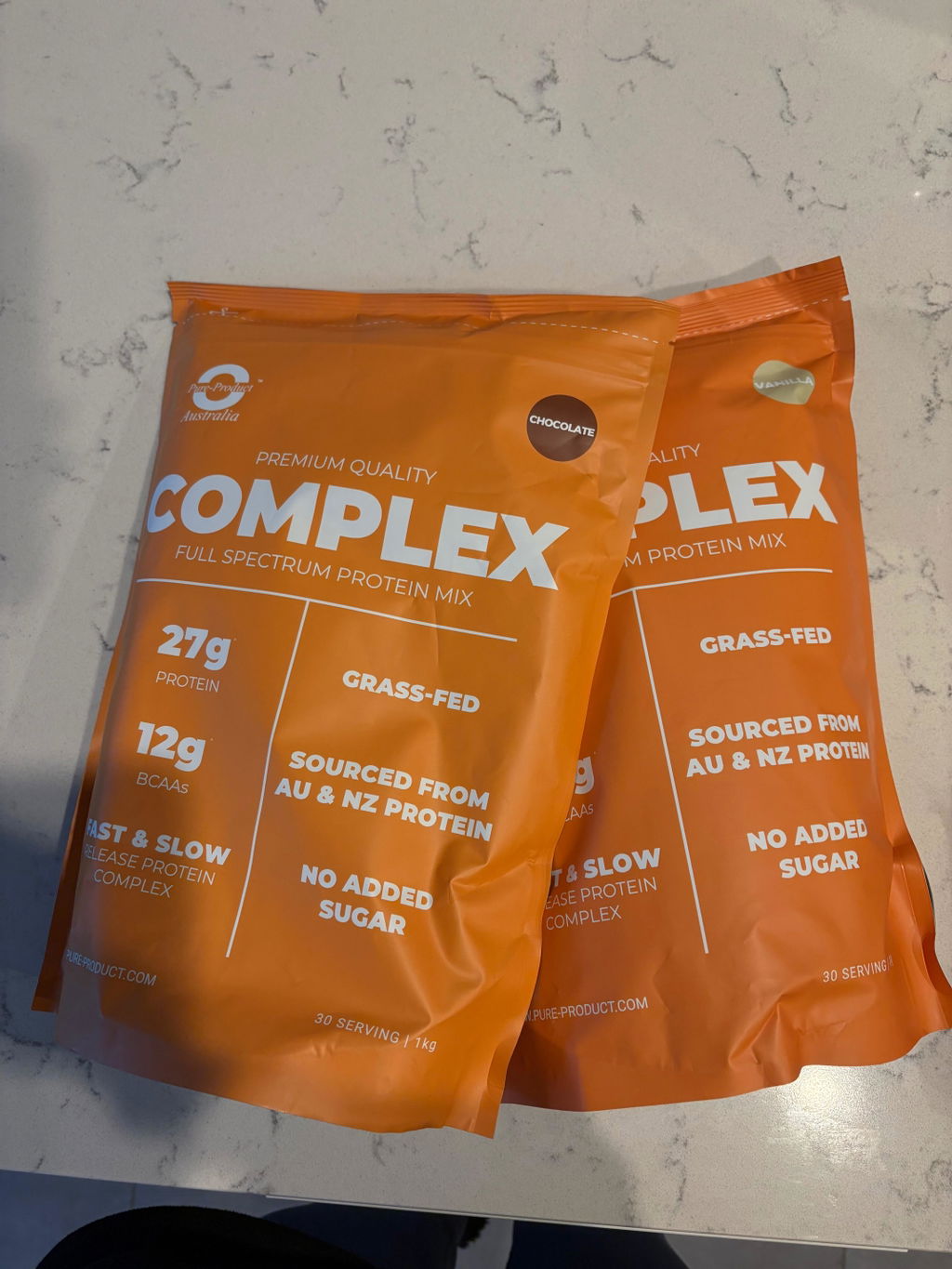
"Independently lab-tested" gets printed on a lot of supplement tubs, ours included, and it's worth actually explaining what sits behind that phrase rather than just repeating it as a marketing line. It's a fair question to ask of any brand, so here's the honest breakdown of what testing actually checks and why it matters more than it might seem.
The first thing testing confirms is that what's on the label matches what's in the tub. For a whey protein, that means checking the actual protein content per serve against what's printed, since protein powder is one of the more common categories globally where "protein spiking," bulking out a product with cheap amino acids to inflate the protein number on paper, has been an issue. Independent testing catches that kind of gap before a product ever reaches you, rather than relying on trust alone.
The second thing it checks is purity, specifically the absence of heavy metals, microbial contamination and other substances that shouldn't be there. Raw ingredients, whey included, come from agricultural and industrial supply chains, so testing for things like lead, arsenic and cadmium isn't paranoia, it's standard practice for a product people are consuming daily, sometimes for years. This matters more for powders taken in large regular doses than for something you might have occasionally.
For anyone in or around competitive sport, there's a third layer worth knowing about: banned substance testing. Athletes under an anti-doping code can't just trust a label, a supplement contaminated with a banned substance, even unintentionally, can end a career. Programs that batch-test for these substances give competitive athletes a level of confidence that a label alone can't provide, which is part of why you'll see some brands lean on this specifically when talking to athletes rather than everyday gym-goers.
So what do you actually do with this information as a customer? Realistically, you're not going to read a certificate of analysis for every tub you buy, and you shouldn't need to. What's worth doing is checking that a brand publishes results at all, rather than just claiming testing happens somewhere, sometime, by someone. A published result you can actually look at is a meaningfully different claim to a label that just says "lab tested" with nothing behind it.
We publish our lab testing results directly on product pages rather than making you request them, specifically so this isn't something you have to take on faith. It won't be the most exciting tab on a product page, and most people will never click into it, but it's there because it should be checkable, not just claimed. If you ever want to see exactly what's been tested for a specific product, that's exactly what that section is for.